

FAQ|Root Fracture Preservation & Intentional Replantation
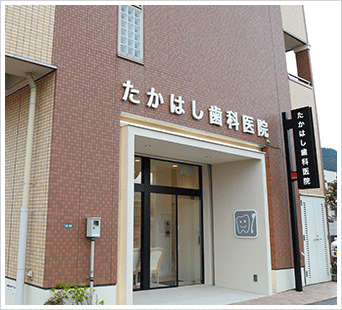
Frequently asked questions about tooth-saving treatment for root fractures, adhesive restoration, and intentional replantation at Takahashi Dental Clinic in Minoh, Osaka.
More detailed case explanations available at: rootfracture.com
1. Can a tooth told to be extracted really be saved?
Yes. Many teeth diagnosed for extraction can still be preserved through:
- Microscope-assisted adhesive repair (when the crack is shallow)
- Intentional replantation (when extraoral repair is required)
We evaluate the crack depth, bone condition, and infection status using CT and a Leica® microscope.
See more: rootfracture.com/treatment
2. How do you diagnose root fractures?
We use:
- CT scan (bone loss, fracture direction)
- Microscope inspection (fine cracks)
- Probing and mobility testing
Early diagnosis significantly improves the treatment outcome.
3. Is intentional replantation painful?
No. It is performed under local anesthesia. Any postoperative discomfort is typically mild and manageable.
4. How long does treatment take?
- Adhesive repair: several visits (~1 month)
- Intentional replantation: 3–6 months including crown placement
Most severe root-fracture cases finish full restoration in about 4 months.
5. How long can the saved tooth last?
Longevity depends on:
- Fracture severity
- Periodontal condition
- Bite forces
When repaired properly and adjusted occlusally, many preserved teeth last for years.
6. Do you accept patients from outside Osaka?
Yes. Many patients travel from Kansai, Kanto, Shikoku, Hokuriku, and even overseas. We support treatment schedules for long-distance patients.
7. How can I book an appointment?
You can book an appointment using the same online reservation system used for Japanese patients:
Book Online (24 hours)
Or call us:
+81-72-725-1182